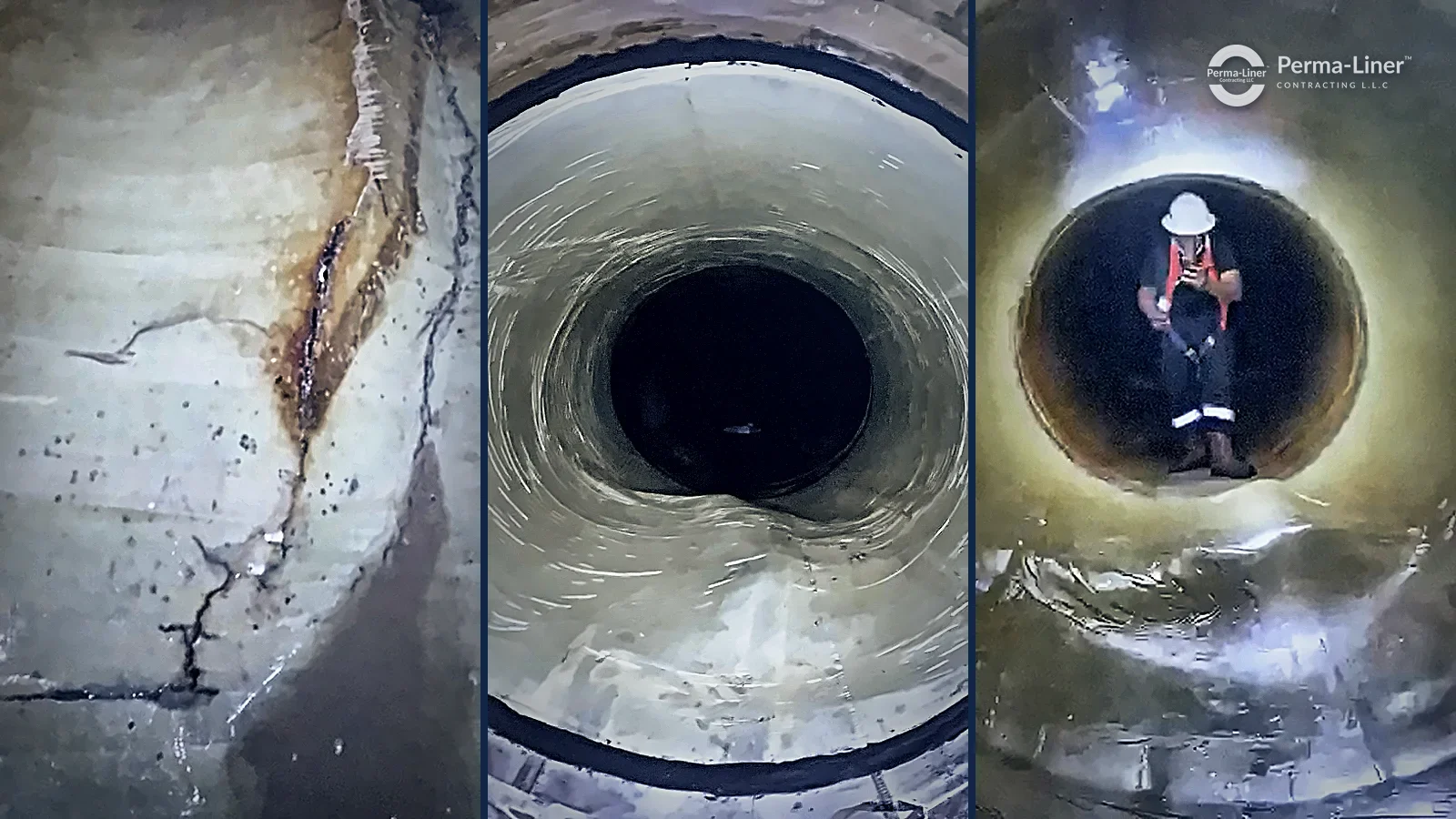
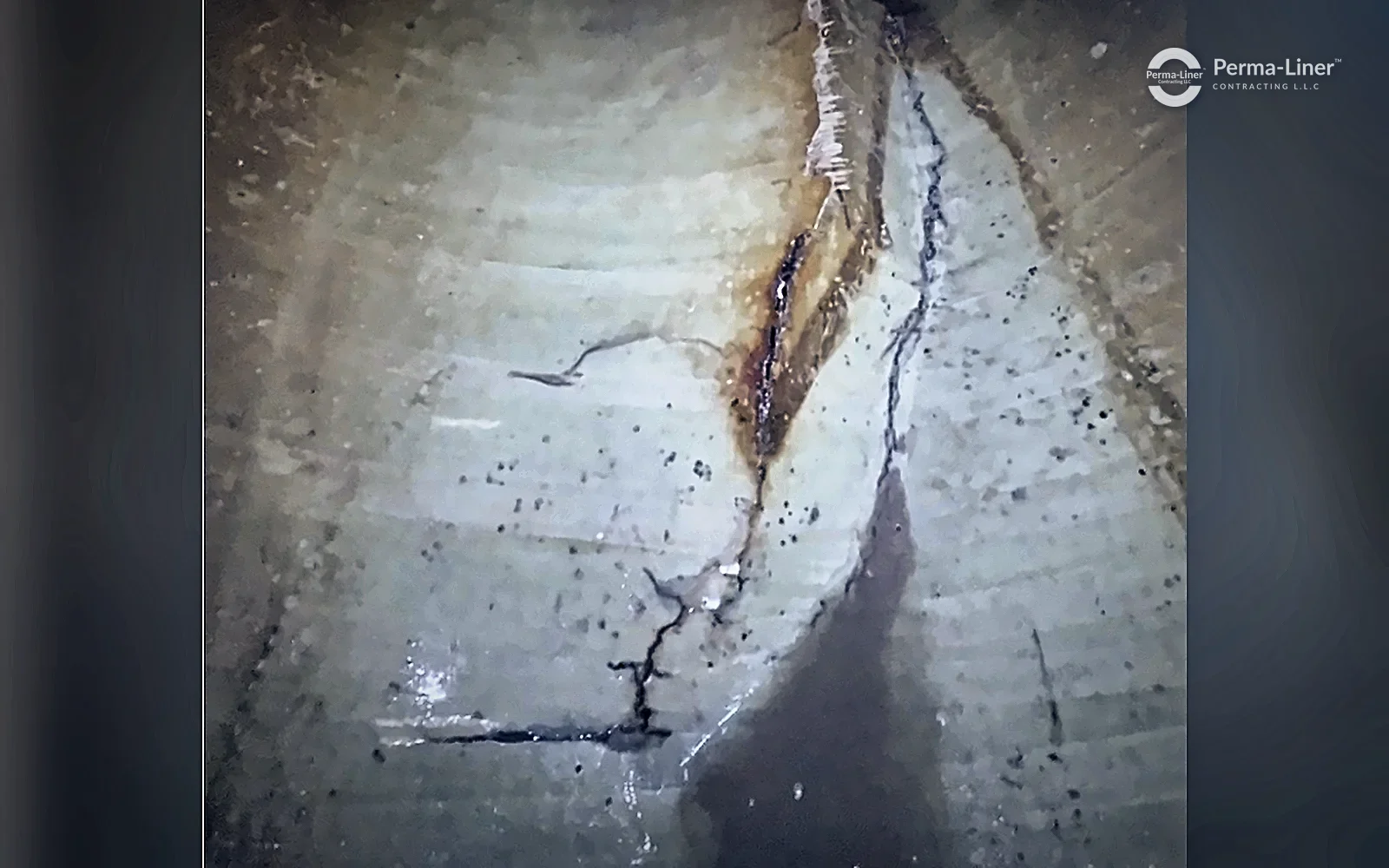
A 1600 mm glass-reinforced plastic (GRP) pipe in Singapore was found broken along its invert, the bottom of the pipe. The cracking ran along the pipe wall, with corrosion staining around the damaged area. A permanent solution, whether replacement or full rehabilitation, is still being discussed with the client. Until then, the pipe had to be made safe and kept in service.
Our brief was a temporary repair, carried out by trenchless methods. The pipe had to be strengthened, and groundwater had to be kept from getting in through the damaged section.
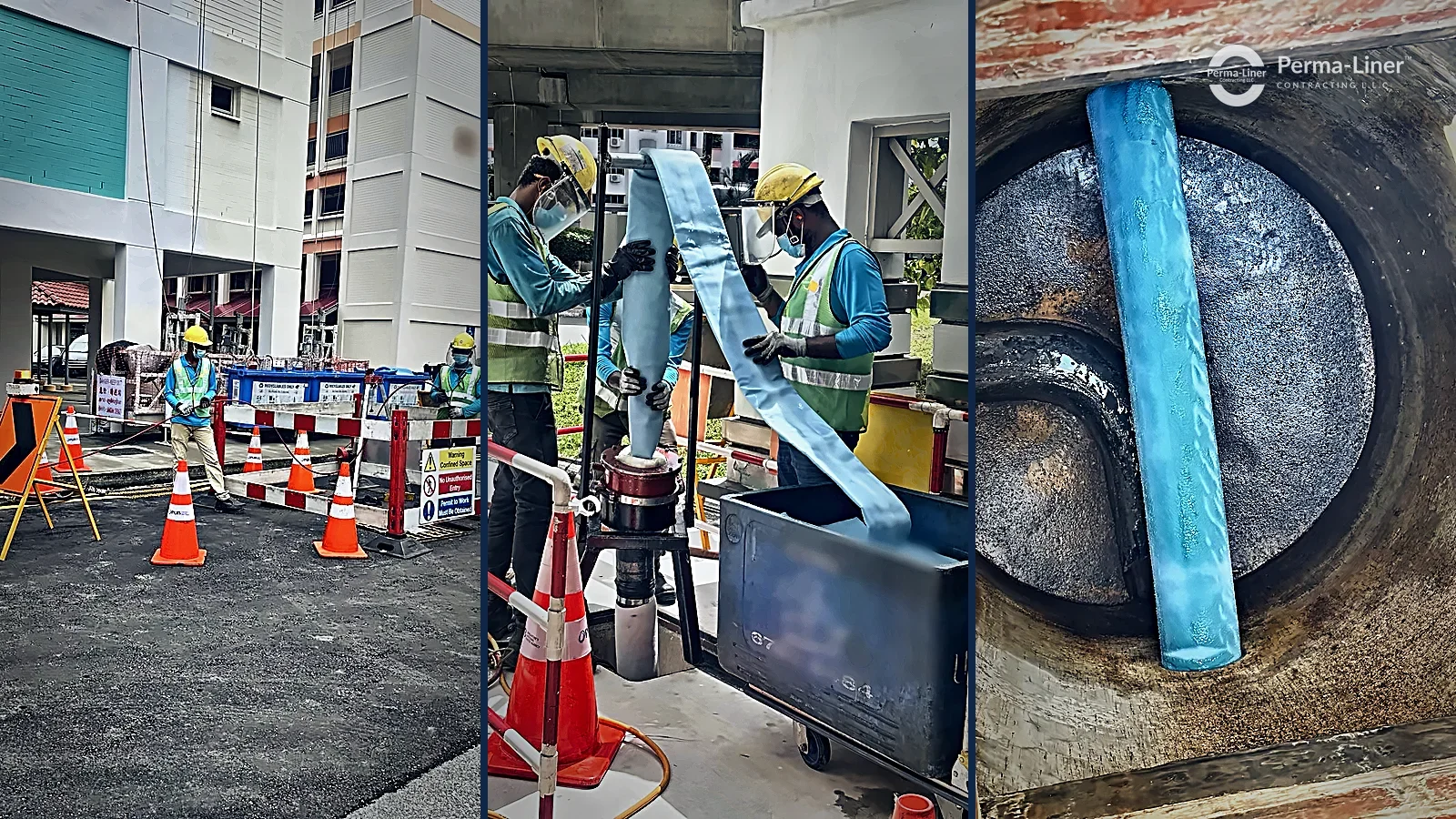
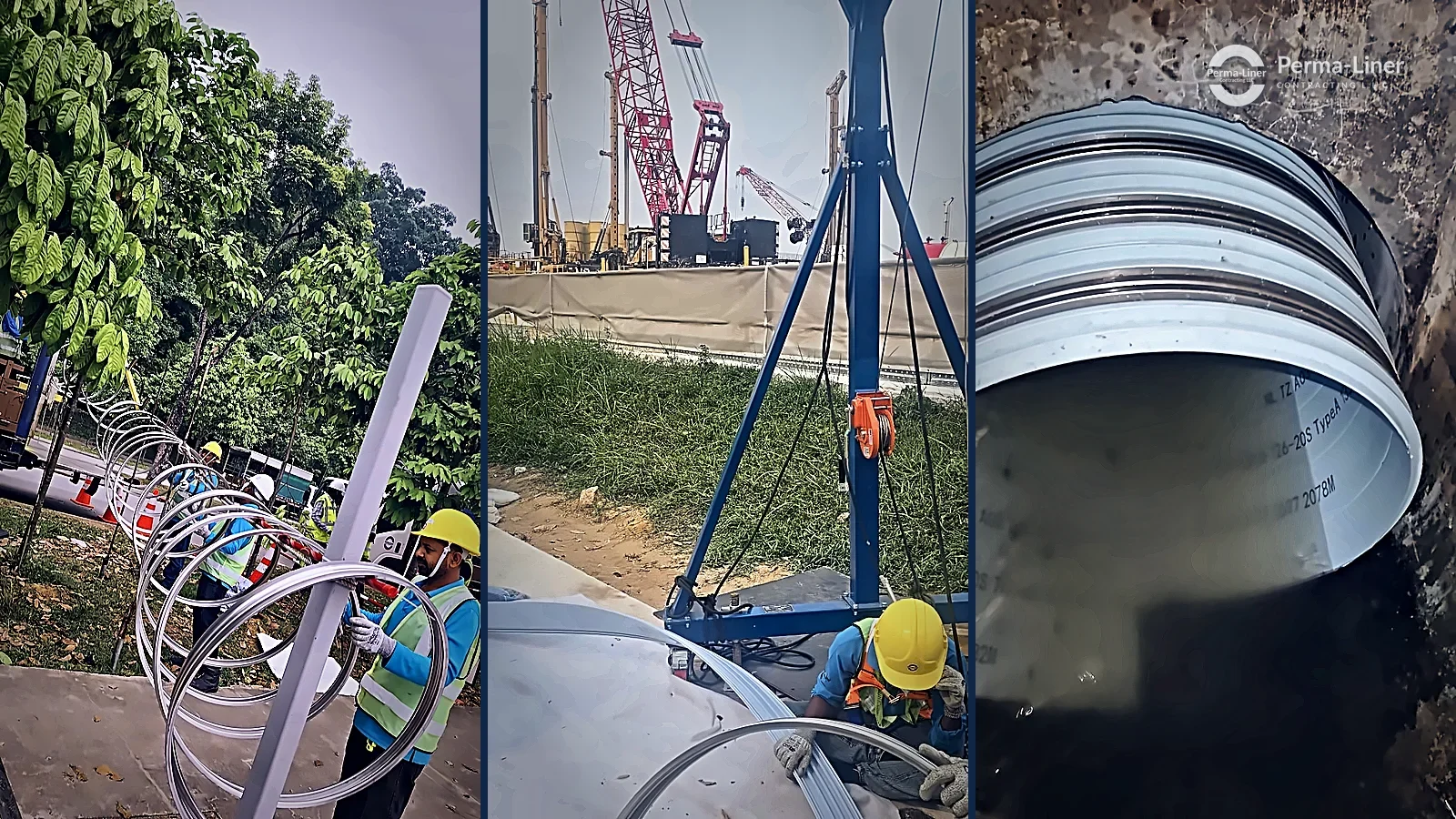
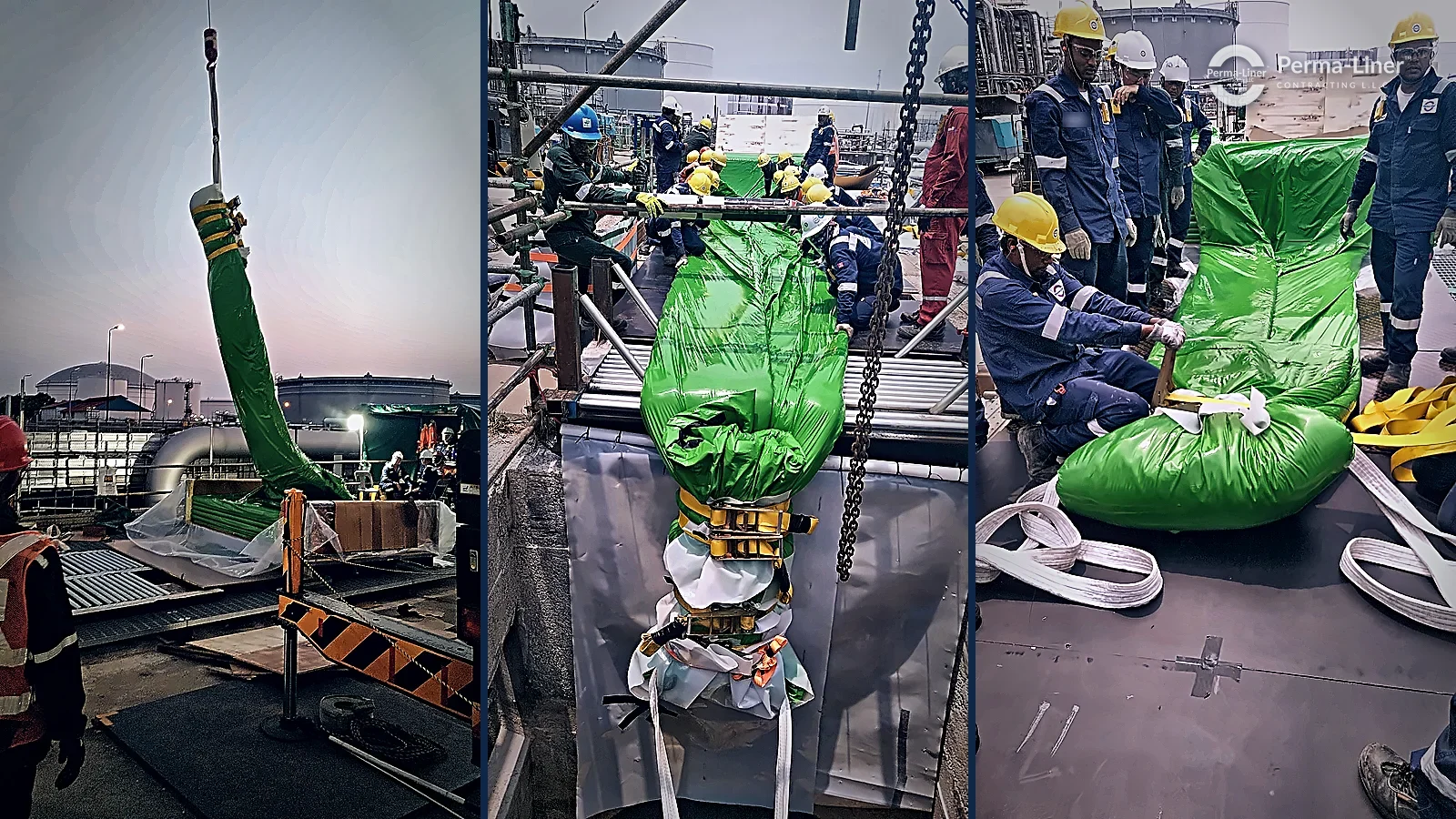
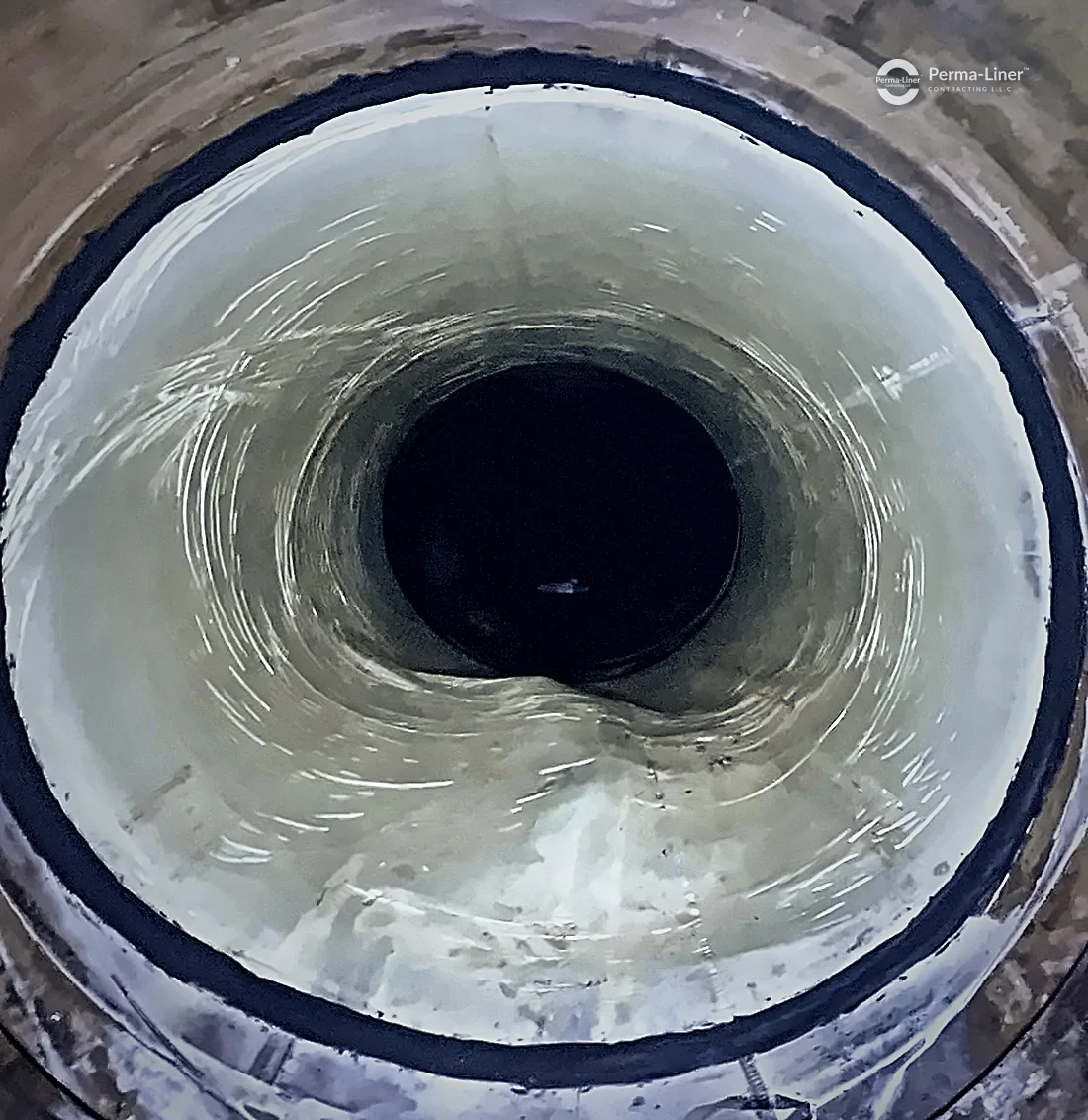
We chose not to cut out the broken part of the pipe. Cutting into a GRP pipe that is already cracked can spread the damage and weaken the wall further. Instead, we left the host pipe as it was and lined it from the inside with CIPP patch liners. Each patch is a resin-impregnated liner, pressed against the pipe wall and cured in place. Once cured, it forms a tight, continuous lining over the damaged section and seals it against infiltration. The liner ends were sealed to the host pipe.
Although the repair is temporary, we did not design it as a light one. The patch liners were designed to take the full structural load on the pipe, without relying on the damaged section for support. This gives the client a sound, watertight pipe for as long as the long-term decision takes.
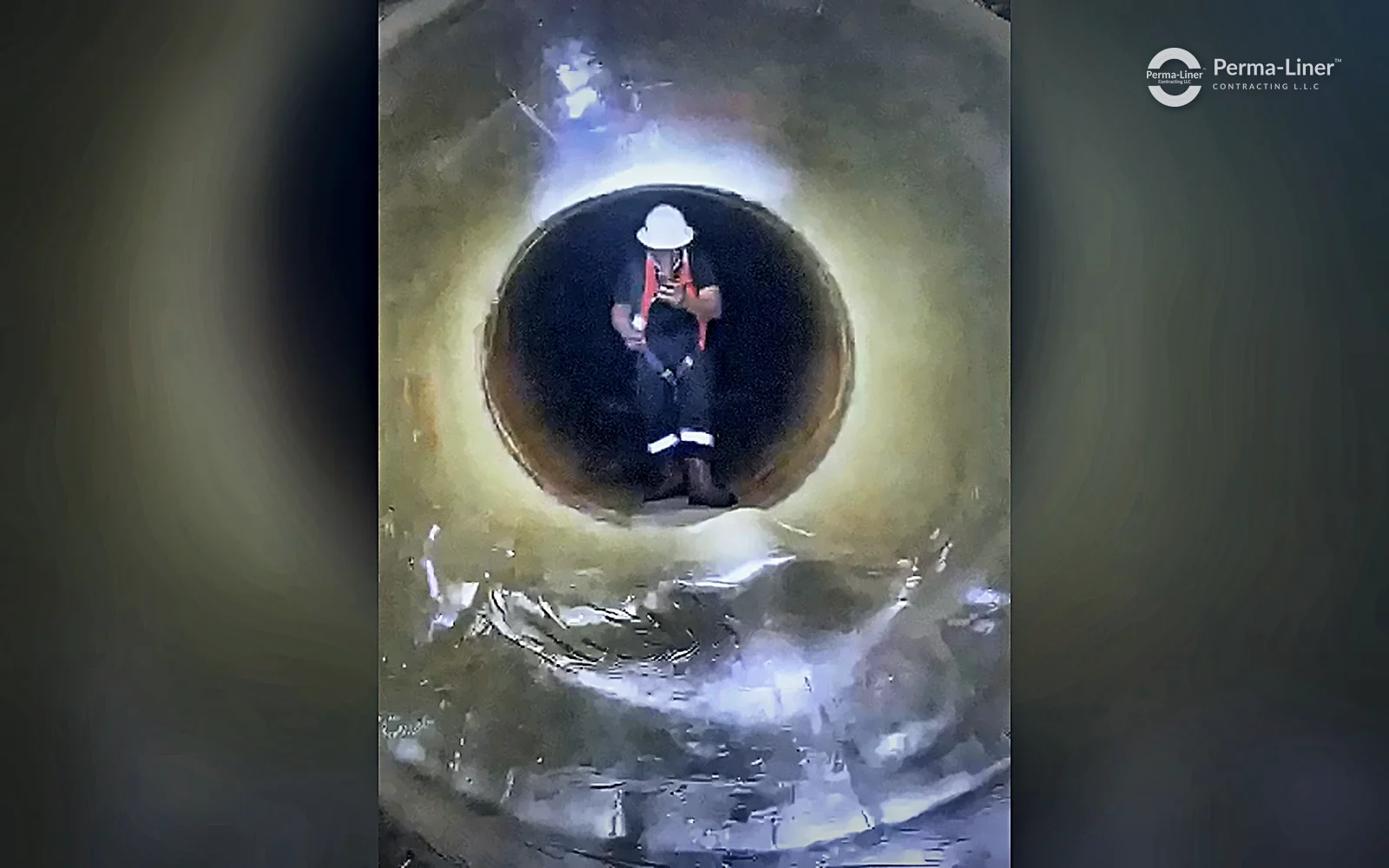
The section was inspected on foot after lining, checking the liner surface, the sealed ends and the bore. We are confident the repair will serve the pipe well for the time to come, and it leaves every permanent option open.
Figures are taken from the project records. Client and site names are withheld.